10 Ways Your Local Arts Scene Has Completely Reinvented Itself Since 2020
Your City's Creative Scene Called — It's Barely Recognizable
Remember 2019? Open mics packed into sweaty bars, gallery openings where you stood in a corner holding bad wine, arts funding that flowed almost entirely through a handful of established institutions? That world didn't just pause during the pandemic — it cracked open, and something genuinely different is growing in the gap.
Whether you're in a major metro or a mid-sized city, your local arts community has been quietly (and sometimes loudly) reinventing itself. Here are ten shifts worth paying attention to — and more importantly, how you can actually be part of them.
1. Artist Collectives Have Replaced the Solo Star Model
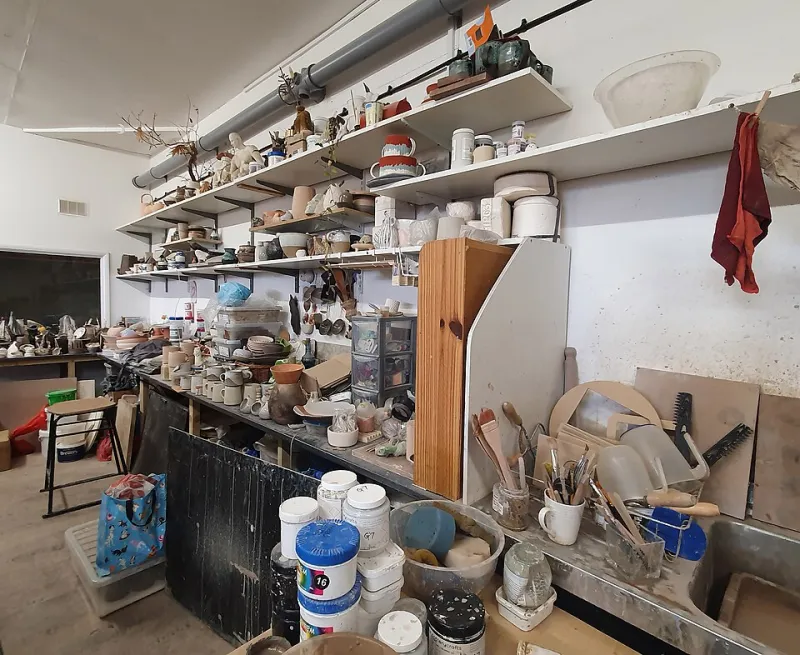
The lone-genius artist working in isolation is giving way to something more collaborative and, frankly, more interesting. Collectives — groups of artists sharing resources, skills, and audiences — have exploded since 2020. In cities like Detroit, Richmond, and Tucson, these collectives are negotiating studio leases together, co-producing shows, and building shared audiences that none of them could have reached alone.
Get involved: Search for artist collectives in your city on Instagram or Eventbrite. Many welcome community members to open studios, volunteer nights, and collaborative workshops.
2. Outdoor and Site-Specific Art Is Everywhere
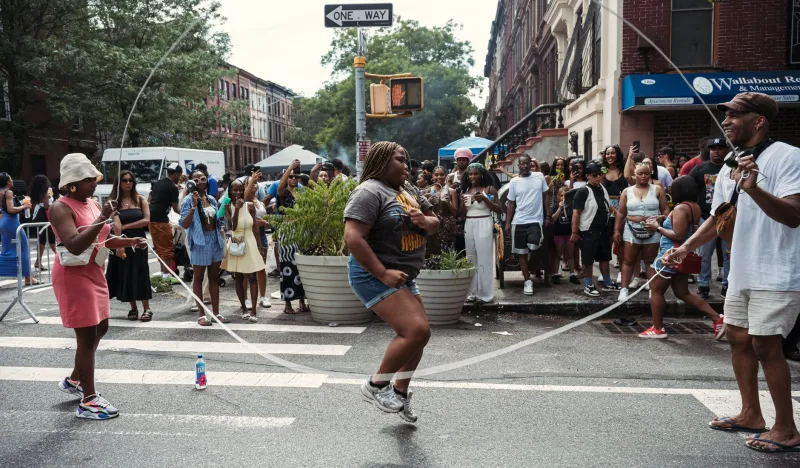
When indoor venues shut down, artists took to the streets — literally. Murals, sculpture gardens, projection installations, and pop-up performances in parks became the norm. And here's the thing: people loved it. Communities that had never set foot in a gallery found themselves standing in front of a massive wheat-paste portrait on a parking garage wall, feeling something.
Many cities have since formalized this, creating public art funds and permitting processes that actually encourage outdoor work rather than obstruct it.
Get involved: Advocate for public art funding at your city council meetings. Attend your city's public art commission hearings — they're usually open to community input and often starved for it.
3. Digital-First Doesn't Mean Disconnected
The pivot to online programming forced arts organizations to get creative with digital platforms, and the best of them discovered that going digital actually expanded their reach rather than diminishing it. A community theater in Boise can now stream a reading to an audience in Atlanta. A visual artist in rural Vermont can host a virtual studio visit with 200 followers.
Get involved: Follow local artists and organizations on social media and actually show up to their virtual events. Your presence and engagement — sharing, commenting, attending — is a genuine form of community support.
4. Neighborhood Revitalization Through Culture Is Getting Real Investment
City planners and community development organizations are increasingly treating arts programming as infrastructure — not a nice-to-have, but a core strategy for neighborhood health. Corridors that were written off five years ago are being anchored by artist live-work spaces, community recording studios, and cultural plazas.
Get involved: Look into whether your city has a creative district or arts overlay zone. These designations often come with resources and community input opportunities.
5. BIPOC-Led Arts Spaces Are Centering Their Own Communities
One of the most significant shifts has been the growth of arts spaces explicitly centered on Black, Indigenous, and other communities of color — on their own terms, not as a diversity add-on to a predominantly white institution. These spaces are programming for their communities first, and they're thriving.
Get involved: Prioritize attending, donating to, and amplifying these spaces. Follow their lead on what support actually looks like rather than assuming.
6. The Hybrid Residency Model Is Opening Doors
Artist residencies — traditionally exclusive, expensive to access, and geographically limiting — have been redesigned by many organizations to include remote and hybrid options. This has been a game-changer for artists with caregiving responsibilities, financial constraints, or geographic isolation.
Get involved: If you run or volunteer with an arts org, advocate for hybrid accessibility in any residency or fellowship programs. If you're an artist, search platforms like ResArtis and Fractured Atlas for updated hybrid listings.
7. Mutual Aid and Art Have Merged
The mutual aid networks that emerged during the pandemic didn't disappear — many of them became permanent, and a surprising number are deeply intertwined with creative communities. Artist relief funds, free art supply libraries, and pay-what-you-can creative workshops are now fixtures in many neighborhoods.
Get involved: Donate supplies to a local art supply share program. Many community centers and arts nonprofits now run them.
8. Young People Are Leading, Not Waiting
Gen Z creators aren't waiting for permission or institutional validation. They're starting their own zine fests, organizing their own open calls, and building audiences on TikTok and Substack that dwarf the reach of many established arts organizations. The energy is real and it's reshaping what "serious" art looks like.
Get involved: Show up to youth-led arts events. Buy their zines. Take their work seriously.
9. Mental Health and Art Are in Open Conversation
The cultural shift around mental health has hit the arts community hard and honestly. More organizations are openly programming around creativity and healing, offering workshops that center emotional wellbeing, and dropping the pretense that artists have to suffer in silence to make meaningful work.
Get involved: Support organizations that are doing this work thoughtfully, like local community arts therapy programs or wellness-focused creative workshops.
10. The Funding Pipeline Is Getting More Democratic
From crowd-sourced micro-grants to participatory budgeting processes where community members vote on which arts projects get funded, the infrastructure around arts money is becoming less top-down. It's imperfect and incomplete, but the direction is toward more voices and more access.
Get involved: Participate in any participatory budgeting processes in your city. Vote in local arts council elections. Your voice in these processes is more powerful than you think.
The through-line in all of these shifts is the same: community is moving from the audience to the center. The arts scene in your city isn't something that happens to you — it's something you're already part of. The question is just how actively you want to show up.