Confetti Is the Easy Part: What a Local Arts Scene Looks Like in February
A festival can make a town feel like a cultural capital for a weekend. The other fifty-one weeks are where the actual work happens — and where most scenes quietly fall apart.
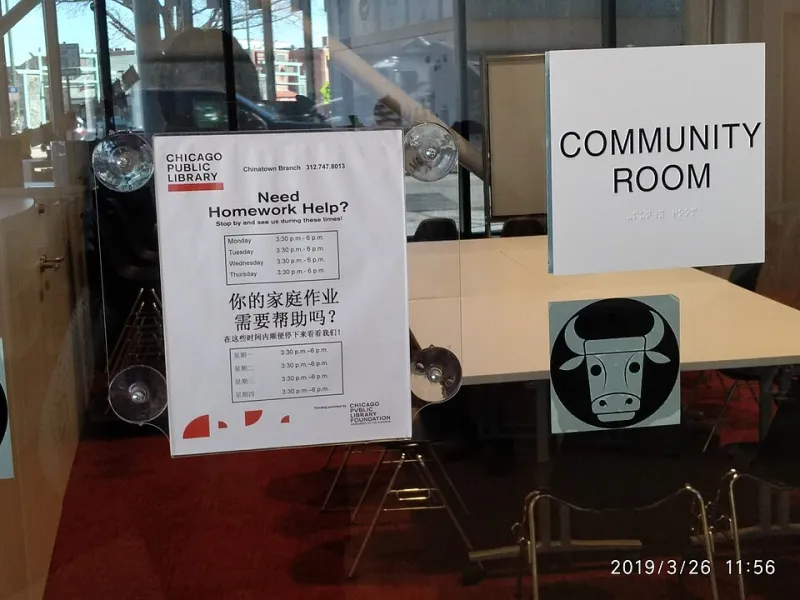
Where community and creativity converge
A festival can make a town feel like a cultural capital for a weekend. The other fifty-one weeks are where the actual work happens — and where most scenes quietly fall apart.
While everyone argues about grant cycles and studio waitlists, public libraries have been quietly assembling the equipment, space, and trust that grassroots artists actually need. Here's what's on the shelf — and how to get your hands on it.
You don't need to audit anyone. You just need to ask a few plain questions and listen carefully to how they're answered. Here's a short list that separates real community work from really good brochures.
The mythology of the exhausted, always-on artist is so embedded in creative culture that many arts organizations unconsciously reward it — and penalize people who need rest. From late-night work sessions treated as commitment tests to the quiet exclusion of artists who can't operate at maximum output, this piece examines the real cost of romanticizing creative burnout, and what a more sustainable creative culture could actually look like.
Every arts community has an official process for selecting shows, awarding residencies, and booking events. And then there's the other process — the one that happens at house parties, in group chats, and over coffee with the right person. This piece goes inside the informal power structures that shape opportunity in local creative scenes, and asks who gets left out when access is built on friendship.
Artist collectives look beautiful from the outside — shared studios, co-authored shows, mutual support. But behind the scenes, conversations about money, credit, and decision-making can quietly unravel even the most inspired partnerships. We talked to disbanded groups, surviving collectives, and the mediators who help artists figure out what they actually agreed to.
Across the US, community members are done being the audience for arts programming designed without them. From neighborhood arts councils to major cultural institutions, a growing movement is demanding real co-creation — and calling out the difference between genuine participation and a well-branded suggestion box.
Artists are the first to show up and the last to leave — and the culture of creative communities often makes saying 'no' feel like a betrayal. We're examining how the pressure to collaborate endlessly is quietly hollowing out the people who hold local arts scenes together.
Empty retail spaces and shuttered offices are sitting idle across American cities — and artists are moving in. The pop-up gallery movement has quietly become one of the most democratic and disruptive forces in contemporary art, challenging who gets to decide where culture lives.
Parents mean well when they encourage their kids to post their drawings on TikTok or launch a YouTube channel. But arts educators are raising a quiet alarm: when we turn childhood creativity into a performance for an audience, we might be stealing something kids can't easily get back.
A growing number of mid-career artists who once chased opportunity in New York, LA, and Chicago are quietly packing up and heading home — to Appalachia, the Gulf Coast, the rural Midwest. What they're bringing back with them is reshaping American creative culture from the ground up.
Community arts venues across the US are so packed that artists are booking residencies and studio time a year or more out. We dug into what that demand surge actually means — and whether the waitlist economy is lifting all boats or quietly building new walls.
America produces extraordinary artistic talent — then makes it nearly impossible for that talent to survive on art alone. The uncomfortable truth is that our most gifted creators are often the ones most quietly disappearing into cubicles and customer service counters, and the way we've structured our economy has everything to do with it. It's time to talk honestly about what we've decided art is worth.
For emerging artists of color, breaking into creative fields isn't just about talent — it's about who you know, who knows you, and whether anyone in power is willing to open a door. Across disciplines, a lack of accessible mentorship networks is quietly keeping the next generation of diverse creators from reaching their full potential. But grassroots communities are starting to rewrite that story.
When your nearest neighbor is twenty miles away and your internet connection cuts out during a thunderstorm, you figure out a different way to make art. Across rural America, geographic isolation and limited connectivity are producing not silence, but something stranger and more interesting — distinct creative traditions, tight-knit maker communities, and art that exists entirely outside the attention economy. And the rest of us have a lot to learn from it.
Forget Brooklyn and Silver Lake. The most electric creative energy in America right now is bubbling up in places most cultural journalists haven't visited — a former coal town in Appalachia, a fiber-optic-connected hamlet in rural Kansas, a post-factory neighborhood in the mid-South. We went looking for the next wave of American creativity, and we found it somewhere nobody was watching.
Most artists learn about taxes the hard way — usually right around April, usually with a sinking feeling. Whether you're selling prints at a weekend market or licensing your music online, the IRS has opinions about your creative income, and ignoring them gets expensive fast. Here's what you actually need to know before your side hustle becomes a tax headache.
When city councils slash arts funding, the instinct is to mourn what's lost. But across the country, a handful of communities are doing something more interesting — they're using the crisis as a forcing function to build something more resilient, more community-owned, and frankly more exciting than what existed before. It's not a silver lining. It's a strategy.
If you haven't checked in with your local creative community lately, you might be surprised by what you find. From pop-up collectives taking over vacant storefronts to digital-first artist residencies that connect rural creators with global audiences, American arts scenes have undergone a radical transformation — and the changes are sticking.
We've been telling the wrong story about where American culture lives and grows. While coastal cities get the think pieces and the prestige, community arts centers in rural and mid-sized towns are quietly generating jobs, driving tourism, and holding communities together in ways that no economic development consultant could have designed. It's time to pay attention.